


Wiise + EOS vs Xero Payroll


Payroll is just the start.
What matters is what it connects to.

Xero Payroll helps you with pay runs. Wiise + EOS connects payroll to finance, operations and real business decisions.

As payroll becomes more complex, the challenge isn’t just processing wages — it’s understanding how your workforce impacts your business.

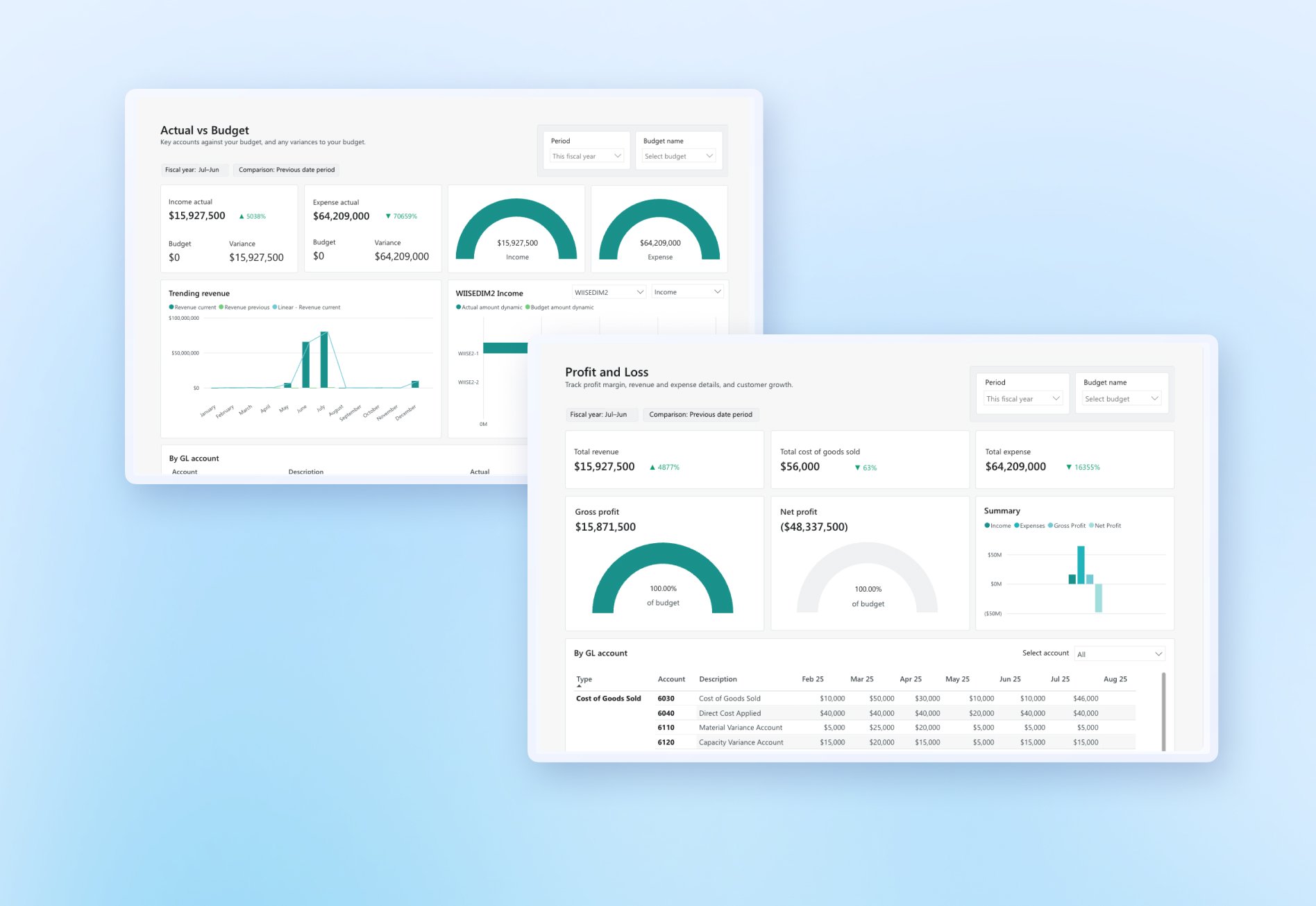
With Xero, payroll sits inside accounting. With Wiise + EOS, payroll connects directly into your operational system — giving you real-time visibility, better planning, and smarter decisions.

hero-xero-vs-wiise-1b-landscape (6)

How do Wiise + EOS and Xero payroll stack up?

Xero Payroll is designed to support simple payroll within an accounting system. But as businesses grow, payroll doesn’t just affect accounting — it impacts operations, project costing, inventory, and profitability.

Many teams start asking:

  • How does labour impact job or project margins?
  • Can we see workforce costs in real time across the business?
  • How do we reduce manual reconciliation between systems?
  • How do we connect payroll to operational decision-making?

That’s where Wiise + EOS is fundamentally different.

wiise-xero-payroll-final

Wiise + EOS vs Xero at a glance

 
Xero
The one-way connection
wiise + EOS
The two-way connection
Core purpose
Payroll data only within accounting
Payroll connected to business operations
System scope
Finance-focused
End-to-end ERP + operations
Payroll data usage
Primarily reporting
Drives operational decisions
Integration
Often part of multiple tools
Fully unified system
Visibility
Financial view of payroll
Business-wide visibility
Scalability
Suits simple payroll
Supports growing operational complexity

The key differences between Wiise + EOS and Xero payroll

  Xero Payroll Wiise + EOS
1. Payroll as a function vs payroll as a business driver
Why it matters
Payroll becomes a source of insight, not just an output.
Payroll primarily supports compliance and pay processing within accounting. Payroll data flows directly into your operational system — impacting reporting, planning, and decision-making.
2. Financial visibility vs operational visibility
Why it matters
Understand how labour impacts profitability — not just cost.
Provides visibility into payroll in financial reports. Connects payroll to jobs, projects, and operational outcomes in real time.
3. Disconnected systems vs unified operations
Why it matters
No duplication, no reconciliation, one source of truth.
Often sits alongside other tools used for operations, requiring manual effort to connect data. A single system where payroll, finance, and operations are fully integrated.
4. Reactive reporting vs real-time decision-making
Why it matters
Make faster, more informed decisions as your business runs.
Payroll data is typically reviewed after the fact through reports. Payroll data feeds into real-time operational reporting and planning.
5. Scaling systems vs scaling insights
Why it matters
Growth doesn’t mean more complexity.
As complexity grows, businesses often add systems to fill gaps. Designed to scale with your business — without adding more tools.

Which option is right for my business?

Xero Payroll can be a great fit for certain businesses, but it comes with considerable drawbacks. While the system is equipped with all the building blocks to configure unique pay conditions, it relies on the you to ensure it is right and to keep it up to date.

This means you’ll need to configure and maintain your own pay rules, meaning every Fair Work update is a manual task, and a compliance risk if it's missed. So, if your business has any level of complexity in its award requirements, Xero Payroll isn’t your best bet.

Payroll Fit Comparison (1)

Turn payroll into business insight

Payroll doesn’t operate in isolation and neither should your system.

With Wiise + EOS, payroll becomes part of a connected business platform that helps you:

  • Understand labour costs in context
  • Improve operational decision-making
  • Reduce manual processes
  • Gain real-time visibility across your business

This is the difference between managing payroll  and using payroll to run your business.

Payroll Insight Flow (1)

The difference in truly connected systems

Businesses running on Employment Hero EOS see significant benefits, like these:

  • 89% decrease in paperwork
  • 81% improvement in payroll efficiency
  • 42% reduction in time spent on HR administration
  • 84% of users say they’re happy with the system

For Wiise customers, the gains compound across the whole business: SGESCO-MAX reduced fortnightly payroll processing from two full days to two hours and saved an estimated 2,500 staff hours per year across their business — not by upgrading one tool in isolation, but by running finance, operations, and workforce data in the same environment.

These outcomes depend on data flowing both ways. A connector that excludes timesheets, syncs leave by CSV upload, and routes data through three vendors doesn't produce them.

See Wiise + EOS in action

Payroll FAQs

Is Wiise + EOS Payroll a direct replacement for Xero Payroll?

Yes, Wiise + EOS Payroll can very effectively replace Xero Payroll, but it’s designed to do more than just process pay runs. With Wiise + EOS, payroll becomes connected to finance, HR, operations and reporting, giving you broader visibility and control across your business.

What is the difference between Wiise + EOS Payroll and Xero Payroll?

Xero Payroll is built to manage payroll within an accounting system. Wiise + EOS Payroll connects payroll to your wider business operations, including financial reporting, job costing and performance tracking.


The key difference is not just functionality, but how payroll data is used across the business.

What is EOS, and why does it matter for payroll?

EOS (Enterprise Operating System) connects your core business functions including finance, HR, operations, inventory and reporting.


When payroll is connected through EOS, it becomes part of your operational data, not just a financial output, allowing you to see how labour impacts performance, profitability and day-to-day operations.

Can Xero Payroll integrate with other systems instead?

Yes, Xero Payroll can integrate with other tools. However, this often results in multiple systems that need to be managed and reconciled and one-way syncs or fragile API connections.


Wiise + EOS takes a different approach by bringing everything into a connected platform, reducing the need to maintain integrations or manual work.


Is Wiise + EOS Payroll suitable for small businesses?

Wiise + EOS payroll can support small businesses, but it’s typically best suited to organisations that are growing or expecting increased operational complexity.


Businesses that need deeper reporting, better visibility and fewer disconnected systems tend to benefit most.

Does Wiise Payroll handle Australian compliance?

Yes, Wiise + EOS Payroll is built for Australian businesses and supports local payroll requirements, including more than 65 pre-built awards that are automatically updated as regulations change.


As part of a connected system, it also helps ensure payroll data aligns with financial reporting and operational processes.

How does Wiise + EOS improve reporting and visibility?

Because payroll is fully integrated, workforce costs can be seen alongside financial and operational data in real time.


This makes it easier to understand:


  • Labour costs across projects or departments
  • Profitability at a more detailed level
  • The impact of workforce decisions on business performance
When should I move from Xero Payroll to Wiise?

Businesses typically consider moving when:


  • Payroll processes become more complex
  • They need better visibility across the business
  • Manual workarounds and integrations are increasing
  • They want payroll data connected to operational decision-making
Is Wiise + EOS harder to implement than Xero Payroll?

If you’re already a Wiise customer, migration to EOS is fairly straightforward, however you will need to consider what payroll awards you require. Wiise + EOS is a broader system that can run your finances, inventory, production and more, so implementation involves more than setting up payroll alone.


The upfront effort, however, means you’re establishing a fully connected platform that can scale with your business for the next decade or more into hundreds of millions in revenue, rather than adding systems later as your business grows.


See how Wiise + EOS connects payroll to your business

Discover how a fully integrated system can give you better visibility, better control, and better business outcomes.